

Machine Tattoo Classique Ou Rotary ?
HOW TATTOO MACHINES Piece of work
MACHINE TYPES
There are a few bones types of tattoo machines: roll, rotary, and pneumatic.
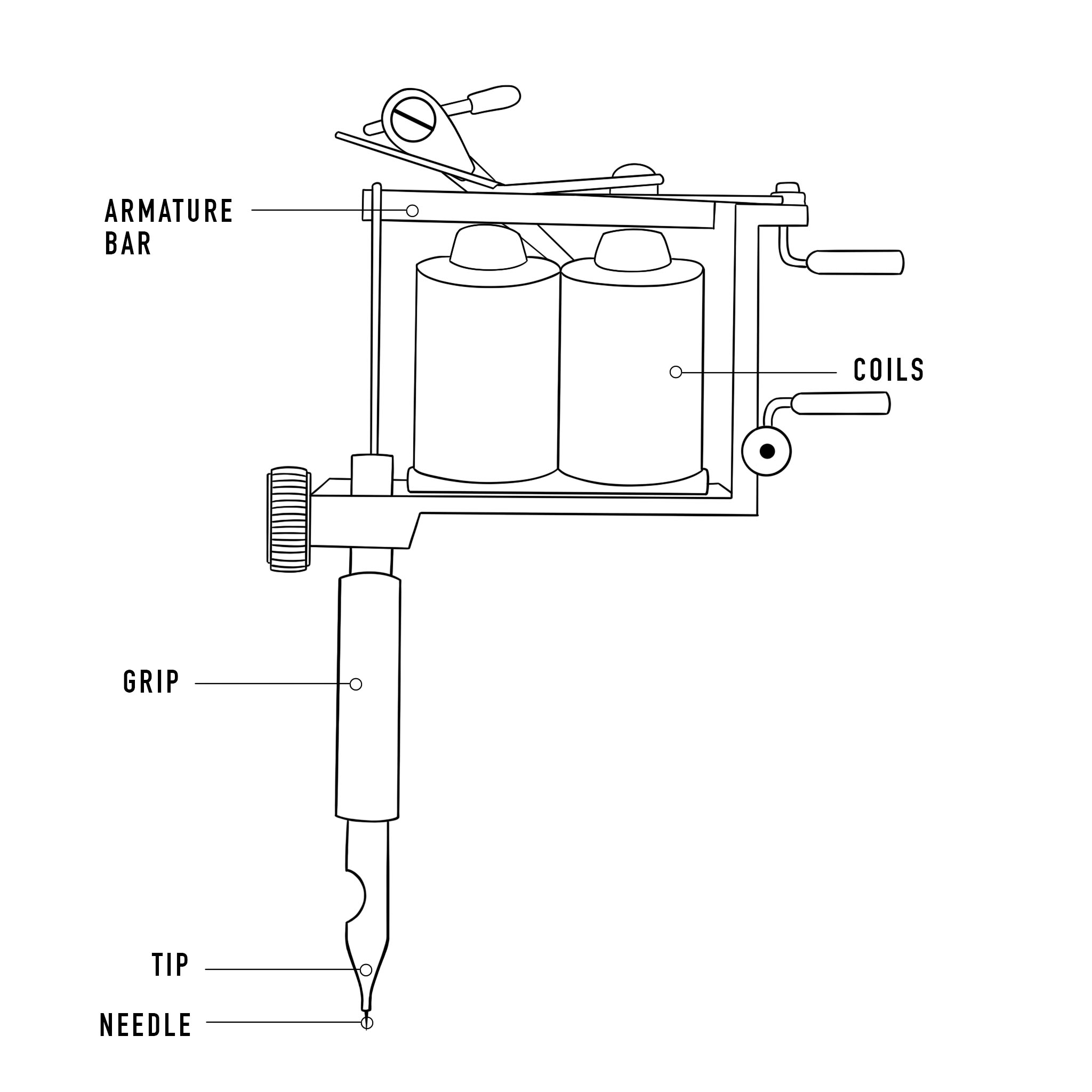
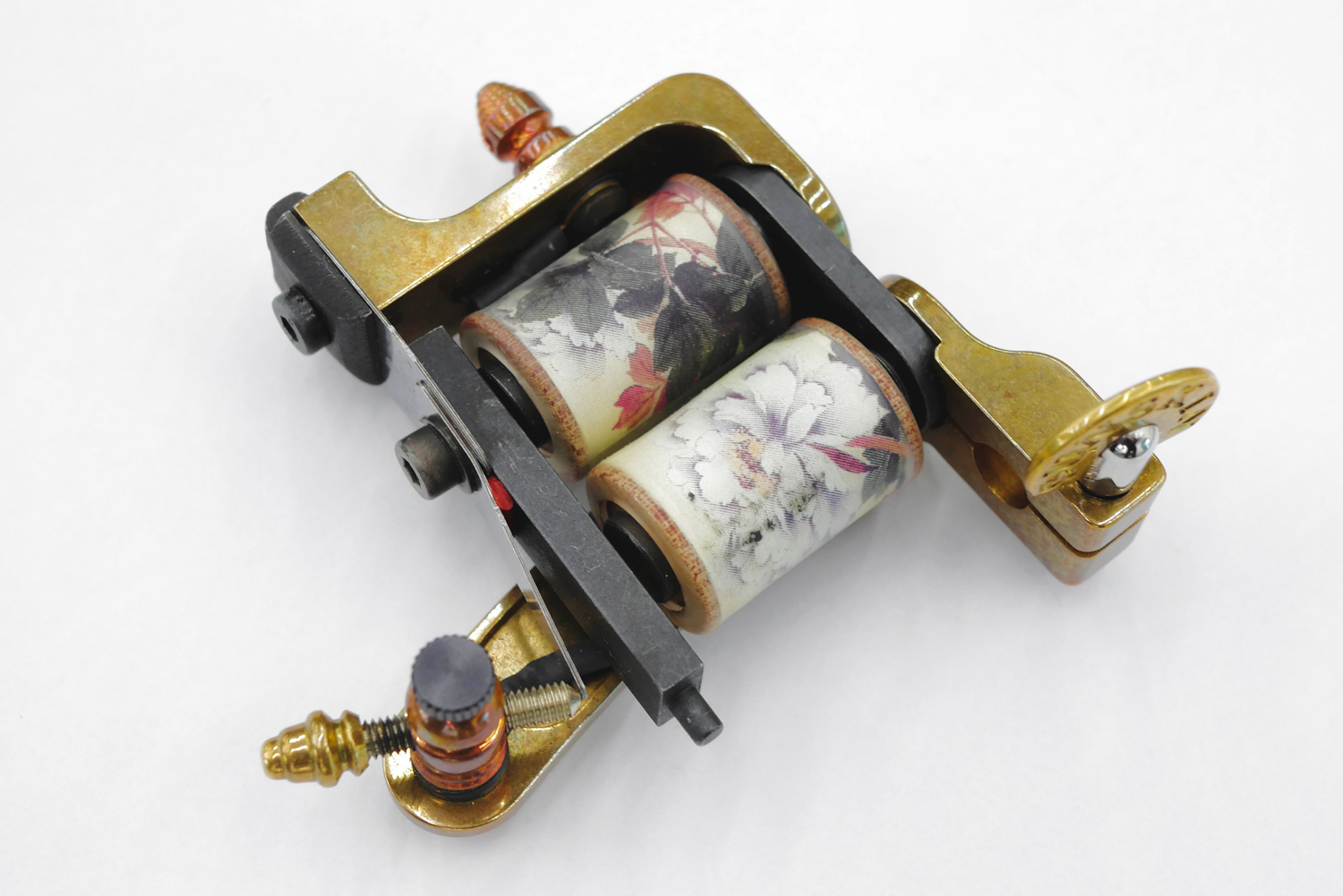
The magnetic coil machine is a archetype automobile which uses an alternating electromagnetic current to pass through coils and turn magnets on and off in rapid succession. This pulls a spring loaded armature bar and creates an up and down motion, which results in the armature bar tapping the needles into the skin. Whorl machines create the notorious buzzing sound that tattoo shops are known for!
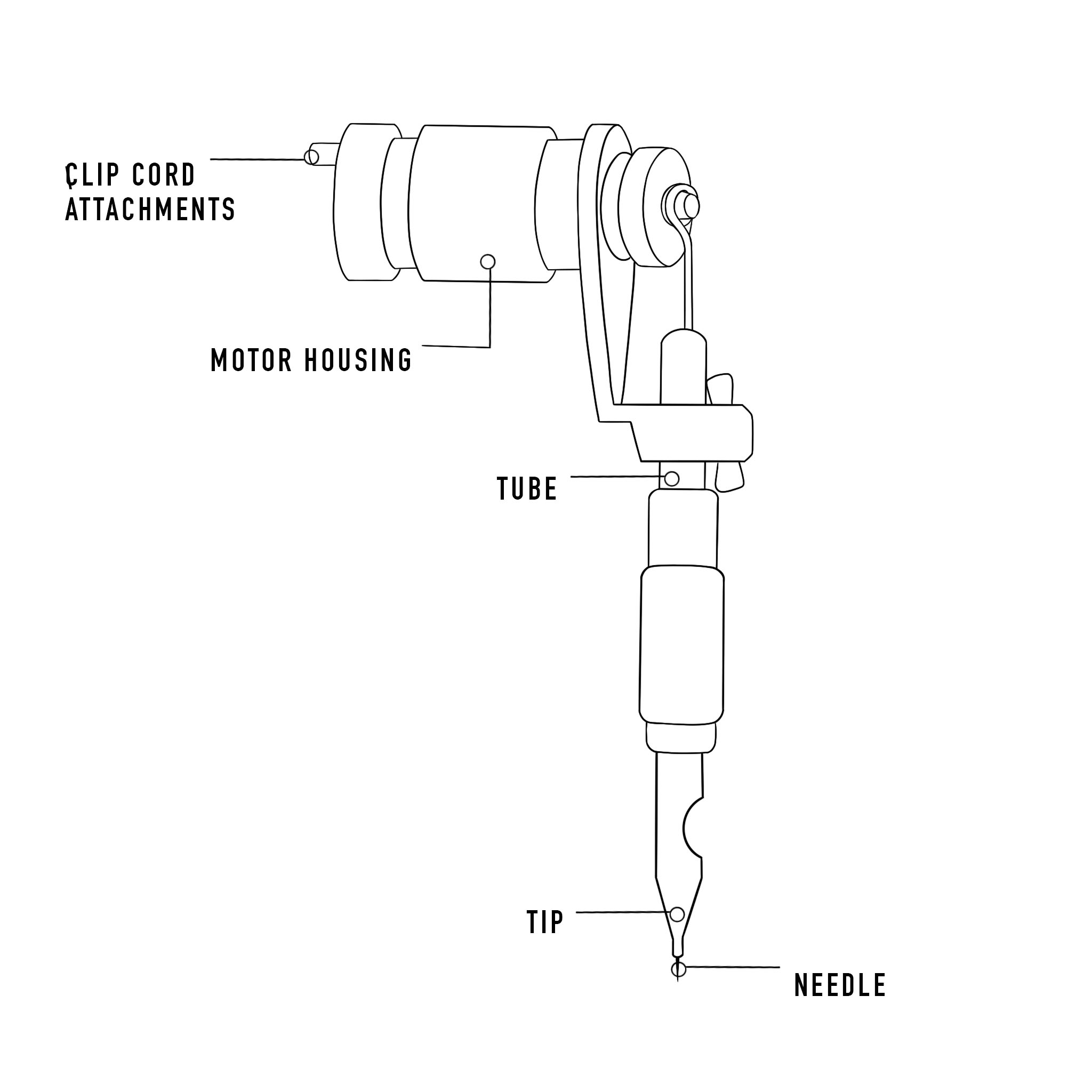
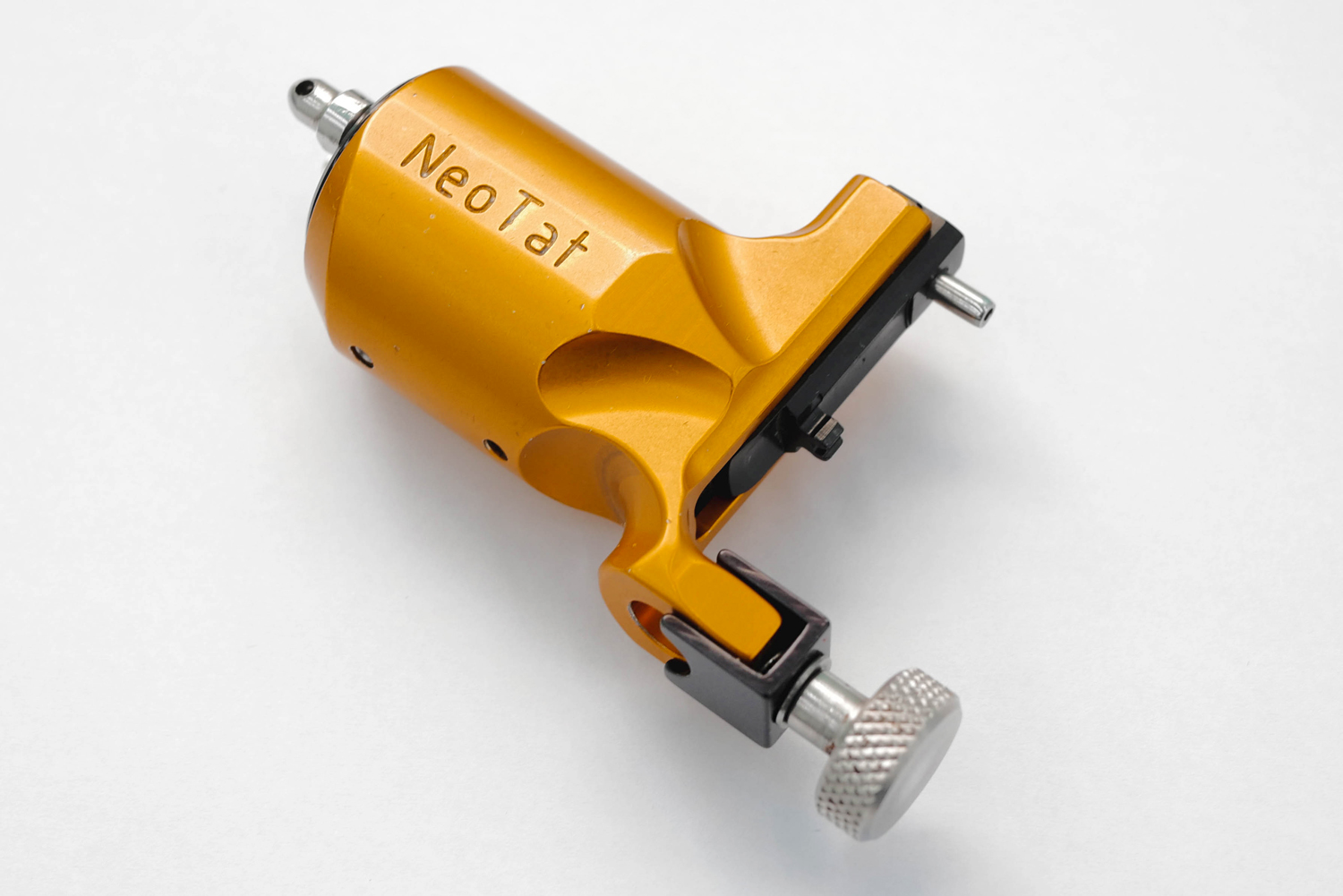
Another type of tattoo machine is the rotary motored car, which powers a minor spinning motor attached to an armature, which produces an up and down motion. Rotary machines are much quieter than coil machines and are known to move the needles more than smoothly and evenly in comparison to scroll.
Pneumatic tattoo machines were invented in 2000 by Carson Hill. These machines work through the apply of pressurized air from air compressors to move the needles up and down. Major advantages to this type of machine is that they're lightweight and rubber to use in an autoclave.
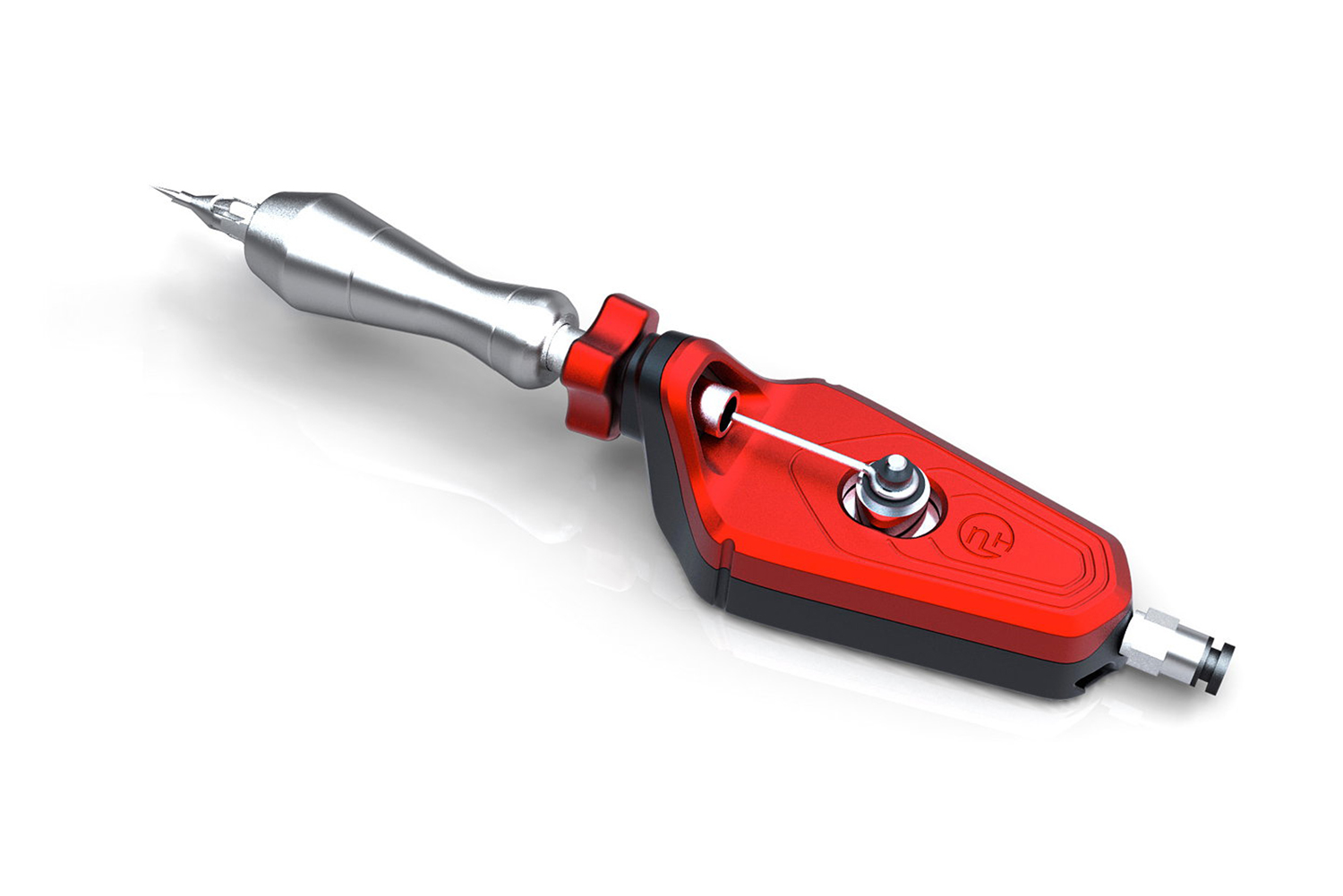
TUBES & NEEDLES
The tattoo needles are set at the cease of what is called an armature bar, which connects to the part of the auto that travels upwards and down. The armature bar passes through the "tube" that has a manus grip attached, which is fitted into a vise on the machine to hold it in place. Some artists employ tubes that are made of stainless steel, which must be cleaned and sterilized later each use. The steel tubes are preferable for several reasons, however many artists are switching over to dispensable plastic tubes similar those shown here for reasons of safety and convenience.
The tube is set so that the needles merely extend beyond the tip of the tube an appropriate altitude. The up and down motion of the needles in the tube create conditions which depict tattoo pigment upward into the tube, and permit it to exist released when the needles are running in the pare. The assembled automobile is connected to a power supply by a special wiring harness called a "clip string" or "RCA cord". The ability supply has settings which can control the speed of the machines, etc, and is most normally activated by a human foot switch, to keep the tattooers hands gratis. When the artist is working, they will stretch your skin, press the foot pedal, the machine will run the needles up and down as the tattooer passes the tip of the tube over your peel, the needles conduct pigment along as they travel and deposit into your pare where it volition stay forever.
Think of tattoo needles similar individual hairs in a paint brush. All of the hairs in a paint brush are more than or less the aforementioned, just we all know that paint brushes come up in all shapes and sizes. The same is true for tattoo needles. There are some variations bachelor within each size of needle, for instance the taper at the finish of the needle may be long, or brusk, and the needle may exist smooth or textured. Other than this all needles are more or less the same.
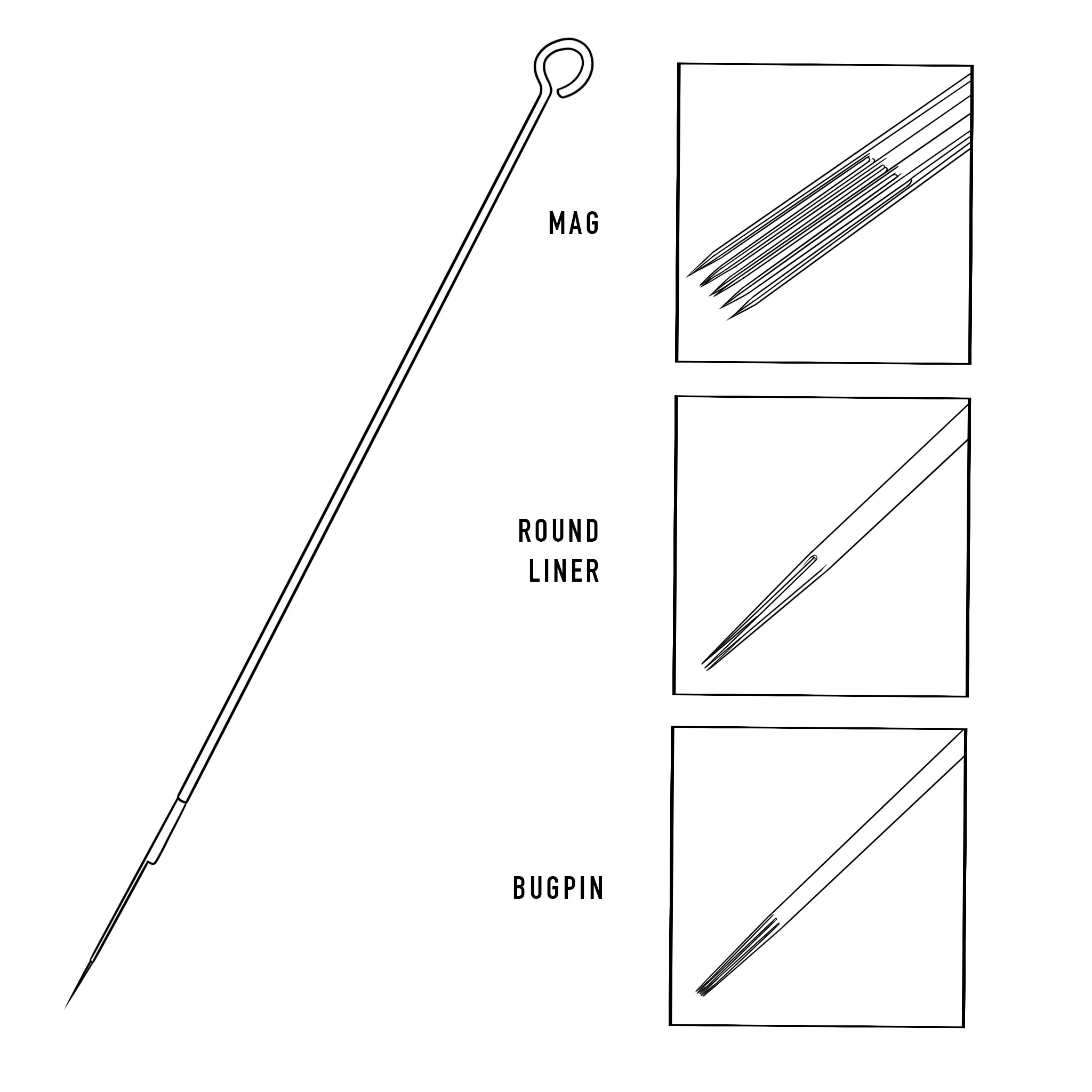
Basically there are "liners" and "shaders". Liner needles are grouped together in various quantities in a round configuration, and are often tightened at the taper so that the points are very close together. Shader needles tin can besides exist configured in circular patterns, as well as fanned out into what nosotros call Magnums or "Mags". There are other minor variations and some less mutual configurations that some tattooers use, simply essentially this covers what is normally used. The individual needles are grouped together and soldered in place to form what is referred to as the "tattoo needle", the needle is then soldered onto what is called a "needle bar", which is just a length of stainless steel wire with a loop on the end which tin can be fitted to the part of the tattoo machine that creates the upwardly and downward motion. The unit as a whole is and so cleaned, sterilized, and fix to use.
The needle bar is placed within the "tube", a stainless steel (re-useable) or rubber and plastic (dispensable) device which provides a mitt grip for the machine, that allows the mechanism to function inside and through it, and also to provide a reservoir for the paint. The amount that the needles really penetrate the skin is about the thickness of a nickel. Any given tattoo artist may work with a range of different needle groupings in order to create their own style of tattooing, it is truly a tiny stainless steel pigment brush, and what sort an creative person chooses is a matter of preference.
Source: https://hubtattoo.com/the-machinery/
Source: https://www.inkandwatertattoo.ca/how-tattoo-machines-work
Posted by: millshatesel.blogspot.com
0 Response to "Machine Tattoo Classique Ou Rotary ?"
Post a Comment